Rapha is built in stages, on the pattern of the East African mission hospitals: start with the care people need now, and work steadily toward a surgical training hospital.
Outpatient primary care opens in Nampula City: 20–30 patients a day at first, scaling toward 40–50, or roughly 12,000 visits in the first year. The pilot creates immediate access, and the clinical relationships, referral discipline, and operating experience the permanent hospital will be built on.
Procedures and surgical capability build at the permanent campus, with visiting surgical teams from sister hospitals. Rapha's first surgeon, Dr. Lina Balane, finishes her PAACS residency in December 2030.
A surgical training hospital and regional referral center, with a residency intended through the Pan-African Academy of Christian Surgeons. Mozambican surgeons and técnicos already carry the north's surgical burden with too little specialist depth behind them; Rapha's purpose is to add that depth, and then to train the next generation at home.
Surgical scale-up runs 2032–34; the residency follows demonstrated volume and faculty.
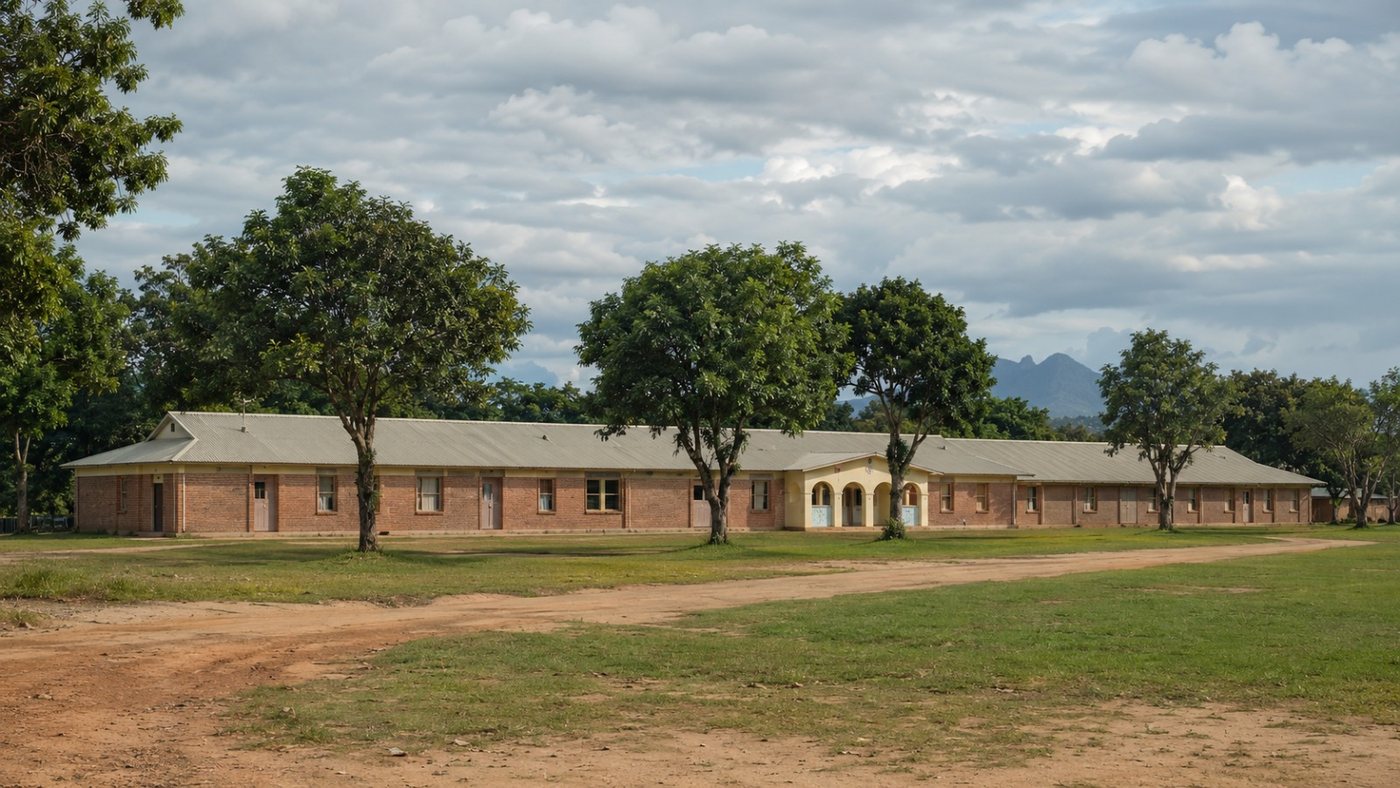
An urban facility with premises identified; a lease is among the first founding-phase actions. Opening May 2027.
About 20 km northwest of Nampula City along the N13. In Mozambique land belongs to the State, and institutions build on it through a use right called a DUAT. Rapha is pursuing a DUAT over the Rapale parcel through the district and provincial authorities. The process includes formal community consultation, verification at the provincial cadastre, and fair compensation for existing use rights. Terms have been discussed with the current occupant; nothing moves before the consultation and the verification are complete.
The hub concentrates what a region needs and cannot yet sustain alone: diagnostics, surgery, education, quality.
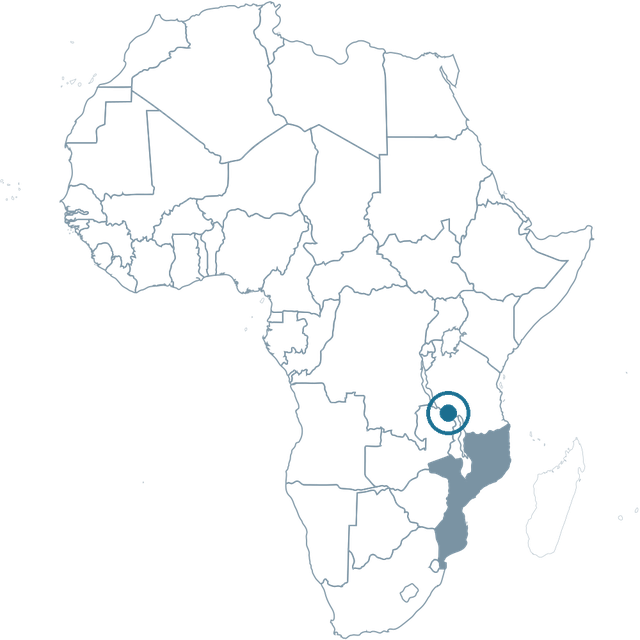
Nampula City is the largest city in northern Mozambique and the region's transport hub, with an airport, the northern rail corridor, and the N13 road west toward Rapale. It sits in the province's stable core, well south of the conflict zone, and has absorbed many of the families displaced from Cabo Delgado. It is home to Universidade Lúrio's medical school. And it is where Rapha's relationships already run deepest, with the provincial health authorities and with the physicians who trained there.
Day-one services as planned: outpatient consultations, a laboratory, a pharmacy, and ultrasound, with referral relationships to Hospital Central de Nampula for cases that need more. The service list is being finalized in the operating plan, and this page will be updated as it firms up.
Where this is. The three northern provinces, Niassa, Cabo Delgado, and Nampula, are home to about twelve million people, on the coast opposite Madagascar.
Patients receive excellent care. Mozambican professionals become the multiplying leaders. And the region gains an institution that trains its own healers, so that within a generation the north is training and keeping its own specialist surgeons.
Whole-person care, offered in Christ's name, to everyone who comes — of every faith and none, without condition.
In time, Rapha plans modest paid services (ultrasound and private visits early; dermatology and endoscopy as capability grows) so that fees from those who can pay help subsidize care for those who cannot. It is the pattern of the East African mission hospitals Rapha is modeled on: local revenue extends every gift, while sustained philanthropy remains part of the design. Mission hospitals are built for permanence, not for donor exit.
Paid services are additive; donor capital remains the foundation, and every patient is served regardless of ability to pay.